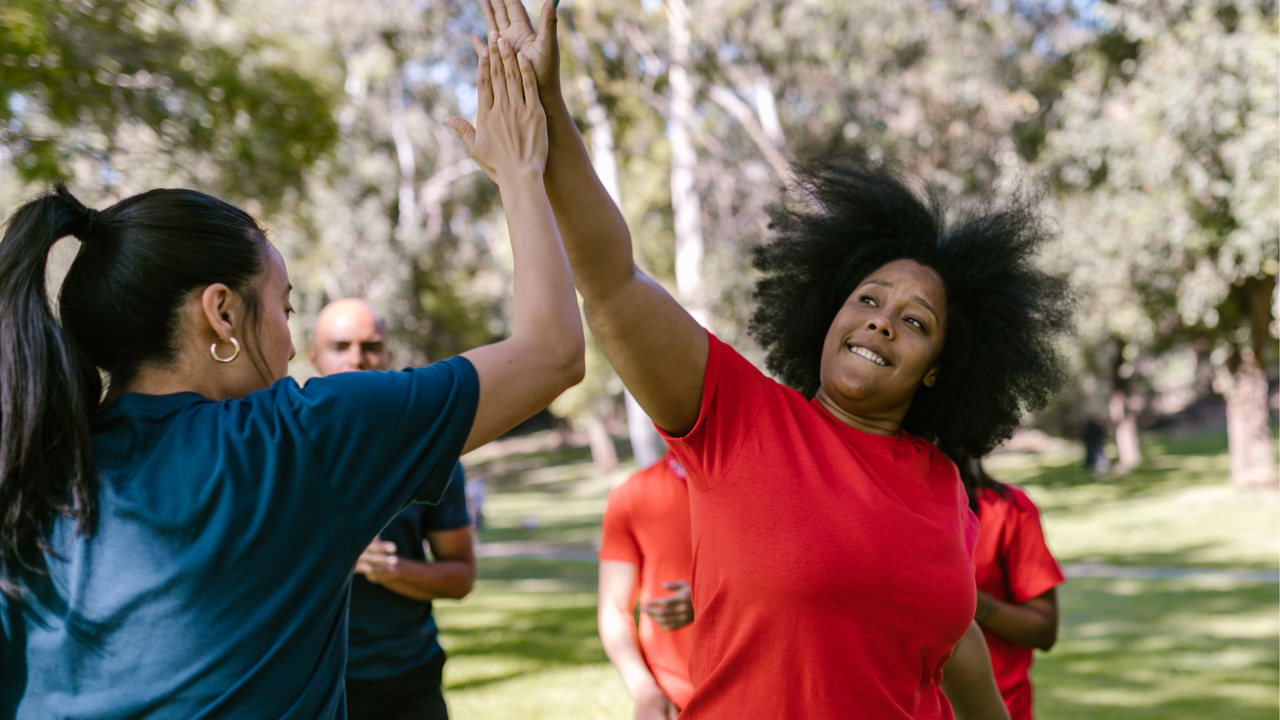
Top 10 Important Words

by Betty Lochner on February 22, 2012

Important words1 Top 10 Important WordsHere is the list of my top 10 Important Words we should all use on a daily basis.

10 – Please.

9 – I’m listening.

8 – I’m sorry.

6 – Thank you.

5 – Let’s focus on solving the problem.

4 – I need you to do this, and here’s why.

3 – What can I do to help?

2 – You did a great job!

1 – What do YOU think?

Take an inventory of yourself. How many of these do you include in your daily communication with others?  Do you have others you would include in your Top 10?  Please comment and share!

_________________________________________

Betty phot 2 214x300 Top 10 Important WordsBetty Lochner is the Owner of Cornerstone Coaching & Training. She specializes in personal and organizational transformation and is the author of Dancing with Strangers: Communication skills for transforming your life at work and at home.  To find out more about Cornerstone’s services and offerings visit:

http://www.cornerstone-ct.com

For more communication tips and skills:

Sign up for our newsletter and receive 6 Essential Steps for Dealing With Conflict.

Join me on Facebook for daily communication tips, advice and challenges!

Sphere: Related Content

{ 0 comments }

Everything I know about networking I learned from my stylist

by Betty Lochner on February 14, 2012


treeoflife large Everything I know about networking I learned from my stylist

Tree of Life by Teresa Selig

Sometimes the best communication teachers are found where you least expect it.

I have been going to the same hair stylist for about 12 years now. One of the bonuses I get each time I go is watching Teresa  work. Not as a hair stylist (though she’s a great one), but as one of the best people connectors I know. She has a fairly small clientele and it is her passion to connect people. She delights in watching the information exchange take place.

Every time I go in, I am introduced to the previous and the next customer and given an overview of who they are, what their interests are, and what we have in common. Sometimes, she will refer me to a customer who isn’t there that she thinks I should connect with for some reason.

Through the years, I have networked with other writers, dog lovers, book sellers, craft makers, artists, and car buyers. This time I met a quilter and a blogger wanna be.

Here’s what I’ve learned about networking from my hair-styling connector:

  1. Be genuinely interested in other people and what they can do for each other.
  2.  Be a good listener. Encourage others to talk about themselves.
  3. Talk in terms of the other person’s interests.  Make it not about you.
  4. Be enthusiastic. Be a cheerleader for the process.
  5.  Watch the connections happen!
Betty phot 2 214x300 Everything I know about networking I learned from my stylistBetty Lochner is the Owner of Cornerstone Coaching & Training. She specializes in personal and organizational transformation and is the author of Dancing with Strangers: Communication skills for transforming your life at work and at home.  To find out more about Cornerstone’s services and offerings visit:

http://www.cornerstone-ct.com

For more communication tips and skills:

Sign up for our newsletter and receive 6 Essential Steps for Dealing With Conflict.

Join me on Facebook for daily communication tips, advice and challenges!

Sphere: Related Content

{ 0 comments }

Communications Lessons from Snowcropolis

by Betty Lochner on February 8, 2012

Penny snowball2 Communications Lessons from Snowcropolis We had heard a storm was coming a day before it hit.  Schools and businesses closed. The media prepared by naming the event Snowcropolis and giving minute by minute updates.  

As it started to snow, we watched our city being transformed into a beautiful winter wonderland. We ran out and played and took pictures of our small dogs fighting the snow drifts. It was all very fun and exciting….for a day.

But it didn’t stop. It snowed some more, then rained, then froze. Then trees and branches started falling.  We watched in horror as a huge branch fell on my car and smashed out the back window.  After the trees fell for several hours there was silence.  And darkness.  Darkness that lasted for seven days.  Seven days without lights,  hot water, TV and worst of all,  the Internet.

We found ourselves delving into survival mode.  Does the generator work?  Do we need more gas? Can we get out of the driveway?  How are the neighbors? Is my dad okay? Do we have enough food and water?

We survived the biggest snow and ice storm to hit  our state in over 10 years and reflected on some some important life/communication lessons:

1) When things are going well in your life,  that’s the best time to prepare for when they aren’t.

Talk about a plan. Find the generator. Tune it up. Read the instructions.  Practice. Things will go better if you know what you are doing.

2) Band together and support each other.

We connected with neighbors we hadn’t seen in months.  We checked on each other.  We asked what we could do for each other. We shared melting ice cream. When one street got power and the next didn’t, we got offers of heat, showers and extension cords.  We weren’t alone.

3) If someone offers help, accept it.  And, if you need help, ask.

Don’t pretend you can handle everything on your own.  There are times when we need each other and times when others need us.  If someone offers a hot shower, take it.

4) Humor helps.

We found it was way more fun to find the humor in the crisis than dwell on the negative. We laughed about who could go the longest without a shower, about the dogs refusing to go out in the snow (they took care of business 2 feet from the door), and about the neighbor running into our mailbox because it was buried in snow.

5) Embrace the pace.

Having to slow down and deal with only one thing at a time seemed like a hassle at first, but we settled in to doing every thing a little slower than normal.  We took our time because we had nowhere we had to be, nothing we had to do.   We were reminded of how overly busy we usually are.

6) Be grateful for all you have.

When the lights returned, I was fascinated with the fact that when you flicked the light switch, the lights came on.  Such a simple pleasure. And, oh how we take the simple things in life for granted.  Thank God for all you have, every day.

7) Remember those less fortunate.

Struggling for a few days was an inconvenience, but some struggle to survive every day.  Help and serve and give when you can.

icon cool Communications Lessons from Snowcropolis Sometimes just getting through each day is enough.

We spent much of our time making sure we had heat, food and small comforts.  We didn’t worry about our “to do” list or what we wanted to buy or have.  We got back to basics and just lived each day.  And that was okay.


Betty phot 2 214x300 Communications Lessons from Snowcropolis
Betty Lochner is the Owner of Cornerstone Coaching & Training. She specializes in personal and organizational transformation and is the author of Dancing with Strangers: Communication skills for transforming your life at work and at home.  She is also the director of Washington’s 529 Prepaid Tuition Program.To find out more about Cornerstone’s services and offerings visit:

http://www.cornerstone-ct.com

For more communication tips and skills:

Sign up for our newsletter and receive 6 Essential Steps for Dealing With Conflict.

Join me on Facebook for daily communication tips, advice and challenges!


Sphere: Related Content

{ 0 comments }

Small Words can have a Huge Impact

by Betty Lochner on January 31, 2012

Scrabble words 259x1721 Small Words can have a Huge ImpactMost of us are guilty of small communication habits that get in the way of effective communication. Without thinking, we respond in ways that close off communication by making the other person feel like we aren’t listening, that we disagree with them, or that puts off a negative tone.

Here are some small and easy word choices you can make that will have a huge impact.

I Understand

When you respond to communication with the first two words being ‘I understand,’ you will disarm 80% of any negative or resistant energy right there and then. Those two words make people feel heard and understood, and will pave the way for better communication.

Even if you don’t understand, say, “Can you clarify that for me just a little bit more?”

Replace “But” with “And”

To avoid making someone feel like you are negating what they are saying, try replacing your “but” with an “and.”

Instead of “Yeah, I see what you’re saying, but …”,try, “Yeah, I hear what you’re saying, and here’s something else I was thinking about addition to that.”

Use “We” More

Using “we” instead of “I” or “You” is a way to help us to connect and identify with others while also distinguishing our point of view. This can avoid making the other person feel like they’re being criticized or putting them on the defense.

Instead of saying, “You have a way to go, say, “We have a way to go.”

Replacing our small word choices takes a little bit of practice.  Pay attention to what you are saying and make some simple word changes for better communication results.


 ________________________________________________________


Betty 5x7 150x150 Small Words can have a Huge Impact

Betty Lochner

 
Betty Lochner is the Owner of Cornerstone Coaching & Training. She specializes in personal and organizational transformation and is the author of Dancing with Strangers: Communication skills for transforming your life at work and at home.  She is also the director of Washington’s 529 Prepaid Tuition Program.To find out more about Cornerstone’s services and offerings visit:

http://www.cornerstone-ct.com

For more communication tips and skills:

Sign up for our newsletter and receive 6 Essential Steps for Dealing With Conflict.

Join me on Facebook for daily communication tips, advice and challenges!

Sphere: Related Content

{ 0 comments }

You can only change you

by Betty Lochner on January 28, 2012

It takes a lot of courage to release the familiar and seemingly secure, to embrace the new. – Alan Cohen

small changes big results 2 You can only change youI’ve been married for 34 years and, believe me, I have tried to change my husband to be more like me, or at least to get him to do what I want him to.

Guess what I’ve learned? It’s not going to happen.

But, I can work on me. I can learn to communicate better and I can practice what I already know. Although it takes two people to allow a relationship to work, it only takes one to change it for the better (or to make it worse).

We all know that it is easier to find the flaws in others than to deal with our own. And, it is certainly easier to work on other people’s “stuff” than our own issues. When things go south in a conversation, it is easy to see what the other person did wrong instead of focusing on how we contributed to the problem.

Unfortunately, when you blame others, you remain ignorant about what you can do differently to bring about a better result. When you try to change others, you give up your power, your control, and your ability to change the outcome.

So, the bottom line is – give it up! You aren’t going to be successful changing anyone but yourself.  Work on having the courage to do something different and to embrace making  positive changes in you.

Small changes in how you respond to situations will make a huge difference in your relationships at work and at home.

______________________


Betty phot 2 214x300 You can only change you
Betty Lochner is the Owner of Cornerstone Coaching & Training. She specializes in personal and organizational transformation and is the author of Dancing with Strangers: Communication skills for transforming your life at work and at home.  She is also the director of Washington’s 529 Prepaid Tuition Program.To find out more about Cornerstone’s services and offerings visit:

http://www.cornerstone-ct.com

For more communication tips and skills:

Sign up for our newsletter and receive 6 Essential Steps for Dealing With Conflict.

Join me on Facebook for daily communication tips, advice and challenges!

Sphere: Related Content

{ 0 comments }

Make good communication a habit | 5 easy steps

by Betty Lochner on January 25, 2012

promises 300x225 Make good communication a habit | 5 easy stepsMay your every day dawn with purpose and promise. – Mary Anne Radmacher

We all have things we wish we could do better, especially in the area of building and using better communication skills.  Often, it’s easier to learn about what you need to do, than to actually do it.

How many times have you told yourself that you are going to listen more and talk less, but then sort of forget about it as soon as you have something to say?

Well, guess what? Change takes practice! It takes a commitment to work on areas that you want to work on and to hold yourself accountable.

One exercise I like to use in my workshops is to make a few daily promises to yourself.  This exercise was inspired by Mary Anne Radmacher who wrote a beautiful book titled Promises to Myself .

Here’s how it works.

STEP 1

Take a few index cards and cut them in half.

STEP 2

Write down something on each card that you want to focus on changing or reinforcing in yourself — and just you!  Remember, you can only change you, so don’t boss anyone else around in your card making.

To help you decide what to write down, you may want to brainstorm a list and then circle the behaviors you want to work on now.

Some of the promises I have written include: Listen, Focus on one thing at a time, Be thankful, Be still, Be patient, Practice gratitude, Focus on relationships, Appreciate others.

You can put down anything you want to promise yourself to work on. I usually suggest they include some of the communication challenges we have been working on, but you can focus on any area of your life.

You can use more cards if you want — but 3-5 is a good place to start. I started with 5 and every once and a while add a new one to the mix that I’ve thought of.  Now, I regularly rotate about 10 cards.

STEP 3

Find a small box that isn’t serving a good purpose; I found a small painted wooden box that someone brought back from a vacation that was only serving as an ornament on a book shelf, and put the cards in that box.  Put the box somewhere where you’ll see it first thing in the morning. I put mine in my bathroom.

STEP 4

Each morning pull one card and say “Today I will…” and read the card. Then focus on working on that promise all day. Carry the card with you – in your bag, your notebook, your pocket.

STEP 5

At the end of the day put the card back in the bottom of the pile. When you finish the stack of cards,  reshuffle and start over.

This simple exercise can have a profound difference on how your day goes and you will find you make one great step towards better communication by following through with your daily promise.  Pretty soon the promises become part of the change in you!

I have found that many times the exact card I need is the one that comes up that day. For example, after a late night and waking up tired, I pulled the card “Be patient”. It helped remind me to keep my tired crabbiness under control and actually enjoy the day. Another one of my favorite cards is “Pause before speaking” – it’s very empowering and you learn a lot about yourself and those you are listening to.  My most recent addition “Eat healthy”.

My husband used to be able to tell me what my card said for the day by how how I acted that day.  He’d say “is today listen?”…. or exercise, or be patient.  Now, he will ask and not always get it right.  That tells me I’m actually making some of these promises a habit!

What will your promise to yourself be today?

Please leave me a comment! I’d love to hear what your promise to yourself is!


Betty phot 2 214x300 Make good communication a habit | 5 easy steps
Betty Lochner is the Owner of Cornerstone Coaching & Training. She specializes in personal and organizational transformation and is the author of Dancing with Strangers: Communication skills for transforming your life at work and at home.  She is also the director of Washington’s 529 Prepaid Tuition Program.To find out more about Cornerstone’s services and offerings visit:

http://www.cornerstone-ct.com

For more communication tips and skills:

Sign up for our newsletter and receive 6 Essential Steps for Dealing With Conflict.

Join me on Facebook for daily communication tips, advice and challenges!


Sphere: Related Content

{ 1 comment }

© 2011 Cornerstone Coaching & Training. All Rights Reserved.